First things first: having good taste does not mean everything in your home needs to be expensive.
Some of the best-looking rooms have a few surprisingly inexpensive pieces hiding in plain sight. Designers know where to spend, where to save, and most importantly, when a $12 find is perfectly capable of doing the job. A stunning home isn't built by throwing money at every corner. It's built by knowing which details deserve the investment and which ones really don't.
Here are a few things designers are perfectly fine buying cheaper:
1. Decorative Objects That Aren't Meant to Last Forever
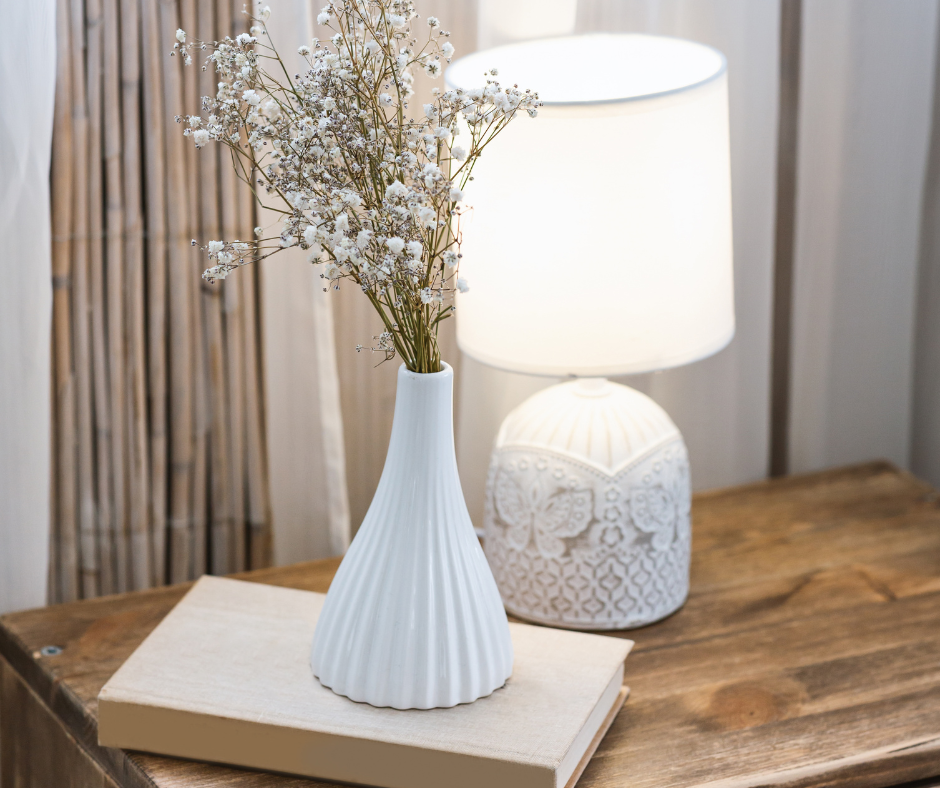
Vases, small bowls, decorative boxes, tabletop accents, and little objects that bring a shelf together don't always need a luxury price tag.
These pieces are often moved around, restyled, replaced, or eventually tucked away. Spending $150 on a decorative bowl simply because it has a designer label isn't always the smartest move. Thrift stores, discount retailers, flea markets, and even unexpected online finds can offer pieces with plenty of personality.
The secret is knowing how to style them. A $15 object can look considerably more expensive when it's placed right.
2. Picture Frames
Unless you're investing in custom framing for artwork you truly love, picture frames are an easy place to save.
Simple black, walnut, brass, and natural wood frames can be found at accessible prices. They don't need to be expensive to look polished.
What matters more is consistency. A collection of frames with complementary finishes and proportions will typically look more intentional than a random assortment of expensive frames.
3. Baskets and Storage Bins
Storage is necessary. It doesn't always need to be a design statement.
Baskets for blankets, toys, laundry, and extra pillows can add up quickly if you're buying them from high-end home retailers.
This is where I'd save.
Look for natural fibers, simple silhouettes, and neutral colors. You want something that works with the room without the attention.
Spend more on the furniture and architectural details around it. The basket holding your extra throw blankets does not need to be the most expensive thing in the room.
4. Decorative Books
Coffee tables and shelves benefit from books. They introduce color, texture, height, and personality.
But you don't need to purchase every book at full retail price just to make your shelves look good.
Used bookstores, estate sales, library sales, and secondhand shops are excellent places to find favorite books.
Look for interesting covers, neutral spines, subjects you genuinely enjoy, and sizes that work with your styling.
And ideally, choose books you’ll actually open. We're decorating a home, not a bookstore display for people who don't read.
5. Small Lamps and Accent Lighting
Not every lamp needs to come from a luxury lighting showroom.
For smaller accent lamps, bedside lighting, or decorative pieces on shelves, there are plenty of affordable options worth considering.
Pay attention to the silhouette, shade shape, material, and scale. A well-proportioned lamp with a simple linen shade can look incredible without carrying the designer price tag.
However, I wouldn't apply this rule to every lighting purchase. Statement fixtures and frequently used lighting deserve more consideration. Quality, construction, and safety matter.
6. Decorative Trays and Little Styling Pieces
Trays, candleholders, small containers, and tabletop accessories are easy to find at reasonable prices.
These are the pieces that help pull a coffee table, console, or kitchen counter together. They're also the pieces you're most likely to rearrange.
You can find affordable versions that look beautiful when paired with better quality foundational pieces.
Just be selective. Buying ten inexpensive accessories doesn't automatically create a well-designed room. Sometimes one good object is all you need.
7. The Things Designers Actually Spend Money On
Now, let's talk about where I wouldn't necessarily cut corners.
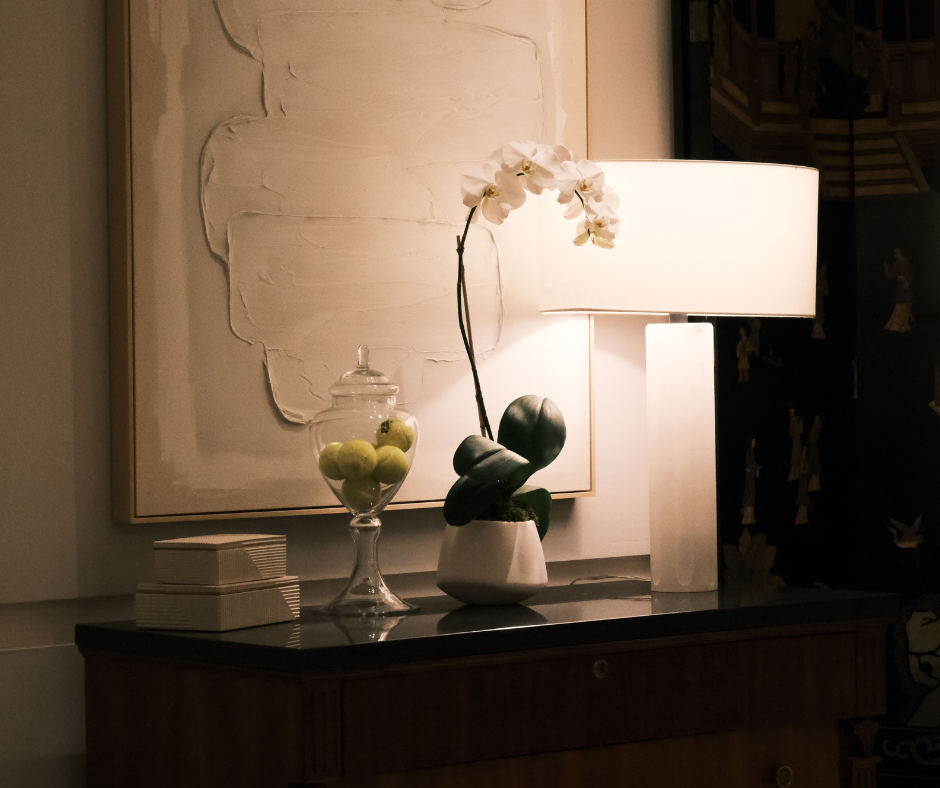
There are certain purchases that affect the overall quality, comfort, and longevity of a room. These deserve a larger portion of the budget:
Sofas and upholstered furniture: Comfort, construction, and fabric quality matter.
Rugs: Good materials and proper sizing can completely change a space.
Window treatments: Fabric, fullness, and installation make a noticeable difference.
Cabinetry and hardware: Especially when they're part of a renovation or permanent design decision.
Statement lighting: Particularly pieces that define the room.
The goal isn't to buy everything cheaply. It's to spend intentionally.
Interior Designers Know the Difference
Hiring an interior designer is something not everyone chooses to invest in, but creating a beautiful home doesn't have to come with an unlimited budget.
Good design is about understanding proportion, material, balance, and where your money will make the greatest impact. It's knowing when to invest in a beautiful sofa and when a secondhand vase will do just fine.
Some things are worth paying for. Others only need to sit pretty, serve a purpose, and fit into the bigger picture. And honestly? Nobody needs to know which one came from a luxury showroom and which one came from the thrift store.
Every home has its own story, and sometimes it just needs a little direction.
If you're ready to make changes or have a design question of your own, I'd love to help!
Reach out anytime.
