We've picked the cabinets. We've fallen in love with the countertops. We've saved 47 kitchen inspo photos, and we're already picturing how good everything is going to look.
And then the renovation actually begins. Suddenly there's dust everywhere, your refrigerator is sitting in the dining room, and you're trying to figure out how you're supposed to make dinner. Fun, right?
A kitchen renovation is exciting, but actually living through one? That's a different story. There's a lot more to think about than cabinet colors and countertops, and some of the things you might not think twice about now can become a pretty big headache later.
So before you get too caught up in picking finishes and planning your dream kitchen, there are a few things I'd make sure to think through first. Trust me, a little planning now can save you a whole lot of frustration down the road.
1. Accept That Your House Is About to Become a Construction Zone
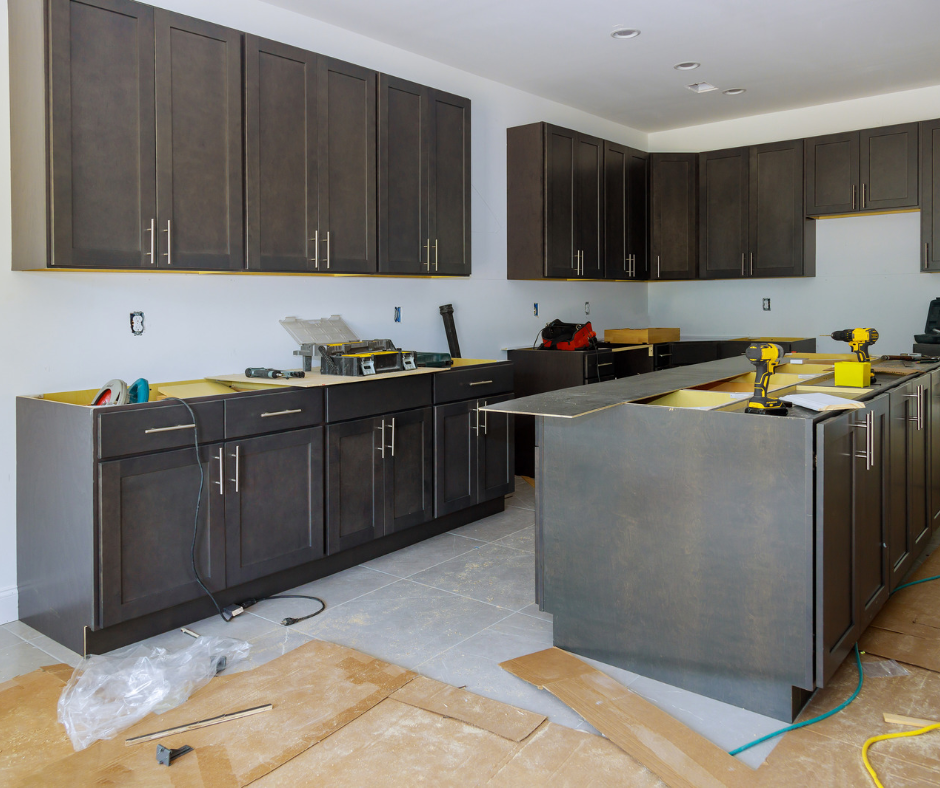
Let's just get this out of the way. Your house is going to be a mess for a little while.
There will be dust, noise, people coming in and out, and probably a moment or two when you question why you thought this was a good idea in the first place. Even when everything is going according to plan, a kitchen renovation is going to interrupt your routine. Depending on the project, your sink might be gone. Your dishwasher might be sitting in the garage. And your kitchen? Out. Of. Order.
A few things I'd do ahead of time: clear out nearby spaces, move anything you don't want covered in dust, and talk with your contractor about how they'll keep the rest of your home protected.
And please, don't host a dinner party for the weekend after demolition.
2. Create a Temporary Kitchen Before You Need One
This is one of those things you'll be glad you thought about ahead of time.
You don't really realize how often you use your kitchen until it's no longer an option. Making coffee, grabbing a snack, putting together supper... all those little things suddenly require a little more planning.
Find a spot in your home where you can keep a few everyday essentials while the renovation is underway.
A few things I'd have on hand:
A microwave or countertop appliance.
An electric kettle.
Plates, cups, and utensils.
A few basic cooking items.
Paper towels and cleaning supplies.
Your coffee maker (obviously).
Easy meals, snacks, and anything you can prepare without much effort.
If you have room, moving your refrigerator somewhere accessible will make a big difference, too. You want the things you use all the time easy to get to. The less you have to rearrange your day around the renovation, the better.
And while takeout will probably become part of the routine, having a few other options never hurts.
3. Make Your Decisions Before Demolition Day
This is one area where being prepared really pays off.
You don't want to be making major design decisions in the middle of a renovation. Especially when you're already dealing with contractors, deliveries, and a dozen other things happening at once.
Try to have as many selections finalized as possible before work begins. Cabinetry, hardware, countertops, backsplash, flooring, lighting, plumbing fixtures, and appliances should all be part of the plan.
And don't just think about each selection on its own. Look at how everything works together. The cabinet color, countertop, hardware, and lighting should all feel like they belong in the same space. I'd also make sure measurements, finishes, specifications, and delivery timelines have been confirmed before demolition starts. Keep everything in one place, whether that's a design board, a folder, or a simple list of selections. You want everyone involved working from the same information.
And don't wait until the last minute to order materials. Give yourself some extra time because delays happen, and even one item being backordered can hold up the entire project. The last thing you want is to have almost everything finished and be stuck waiting on one final piece.
4. Establish a Realistic Budget (And Leave Yourself Some Breathing Room)
If there's one thing I've learned about home projects, it's that the budget doesn't always go exactly as planned.
You might find something unexpected once the old cabinets come out, need to make electrical updates, or realize the countertop you originally picked isn't quite what you want anymore. And suddenly, you're spending money you hadn't planned on. Before getting started, have a good understanding of what your contractor's estimate actually includes. Labor, materials, demolition, disposal, permits, and any additional work should all be accounted for.
I'd also leave some room in the budget for the things you don't see coming. Setting aside an additional 10–20% is a good starting point, depending on the condition of your home and the scope of the project.
And one thing worth keeping in mind: there's a difference between something that needs to be addressed and something you've decided you can't live without after scrolling for an hour. Both might be tempting, but your budget doesn't necessarily agree.. Don’t change your mind every other day even though the options are endless.
Changing selections once construction is underway can create additional costs, delays, and scheduling complications.
Take your time during the planning stage.
Look at samples in your actual home. Compare finishes next to one another. Consider lighting, undertones, and how everything will work together. Once you've made your decisions, permit yourself to stick with them. Not every new inspiration photo needs to become a renovation revision.
6. Communicate With Your Contractor
You can have every finish picked out and every detail planned, but communication is what helps bring the whole thing together.
Before work begins, make sure you understand the timeline, working hours, access to your home, cleanup expectations, and how you'll handle any changes along the way.
Don't be afraid to ask questions, either. If something isn't clear or doesn't look the way you expected, bring it up sooner rather than later. It's much easier to work through a detail before everything else is built around it. I'd also keep track of selections, approvals, and any changes in writing. It's a simple way to avoid confusion once things get moving.
You're making decisions about a space you'll live with every day. There's nothing wrong with wanting the details right.
7. Remember Why You Started
At some point, you're probably going to wonder why you decided to do this in the first place. The mess does gets old, your routine is going to be completely different, and having to work around a kitchen that isn't really a kitchen anymore gets frustrating.
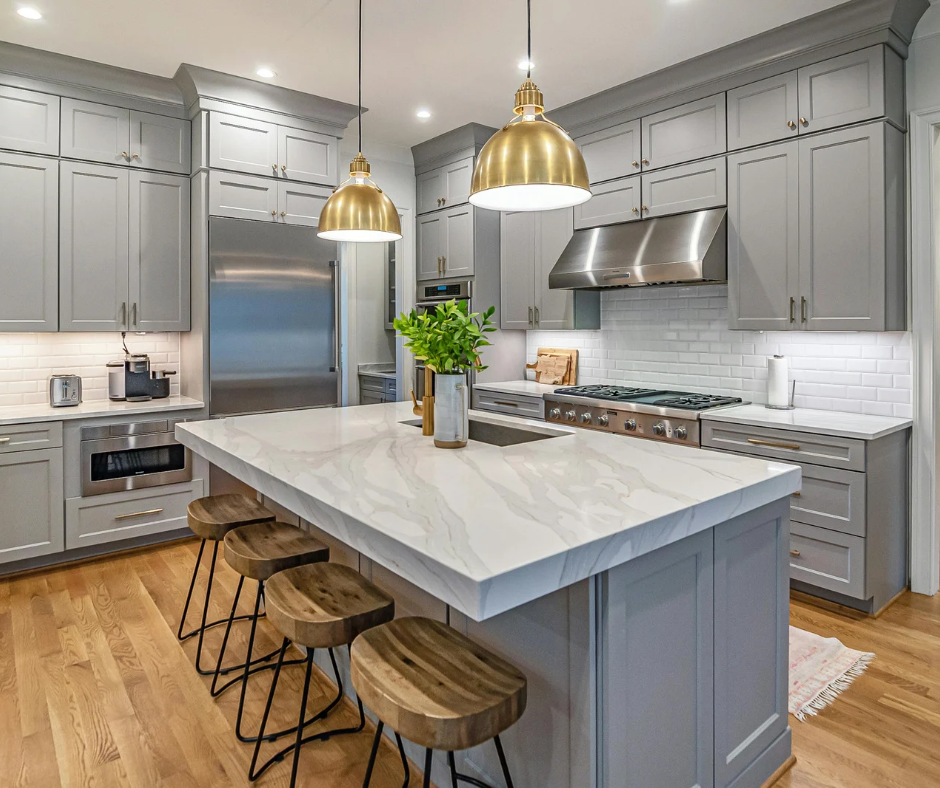
But try to keep in mind what you're working toward. A larger island, better storage, cabinetry that actually makes sense for how you use the space, or finally getting all those finishes to work together the way you've pictured them. Those are the things that make the disruption worthwhile.
You're not just updating a few cabinets and countertops. You're making changes to a space you use every single day, and hopefully making it work a whole lot better than it did before.
The Kitchen Will Come Together. Give It Time.
A kitchen renovation is a big undertaking, and there's really no getting around the inconvenience that comes with it.
But going into the project with a plan, making decisions ahead of time, and keeping communication open can make a huge difference in how the whole experience goes. Take your time with the design. Think through how you actually use the space. Don't overlook the smaller details just because you're excited about the bigger ones. The goal isn't just to have a kitchen that looks beautiful in photos. It's to have one that feels right for your home and the way you live.
That's what makes a renovation worth doing.
Every home has its own story, and sometimes it just needs a little direction.
If you're ready to make changes or have a design question of your own, I'd love to help!
Reach out anytime.
