White paint. The safe choice, ya?
It's clean, it's classic, and it seems like it should go with just about anything. You pick a shade with a name like Simply White or Pure White, grab a gallon, and figure you're good to go.
Except white paint can be one of the trickiest colors to get right. And if you've ever painted an entire room only to realize it looks yellow, gray, blue, or just completely different than what you had in mind, you know exactly what I'm talking about.
The thing is, white isn't just white. Not all shades are created equal, and the differences can be a whole lot more noticeable once they're on your walls.
1. There Are About 500 Shades of White, and Somehow They're All Different
Stand in front of a paint display for five minutes, and you'll see what I mean. There are warm whites, cool whites, creamy whites, and whites with hints of gray, yellow, pink, or even green.
And somehow, they all look just a little different. So then, people tend to look at the names…Simply White sounds pretty straightforward, but the name doesn't tell you how that color is actually going to look in your home. A white that looks soft and creamy on a little paint sample can turn yellow once it's on all four walls. Another might look crisp and clean in the store but feel almost icy in your living room. Before you settle on a shade, take a look at the undertones and how they'll work with everything else in the room.
Your flooring, cabinets, countertops, and furniture all play a part. White doesn't exist on its own, and that's where people can get themselves into trouble.
2. Your Lighting Is Making More Decisions Than You Think
You can fall in love with a white paint color at the store, bring it home, and wonder who approved this decision.
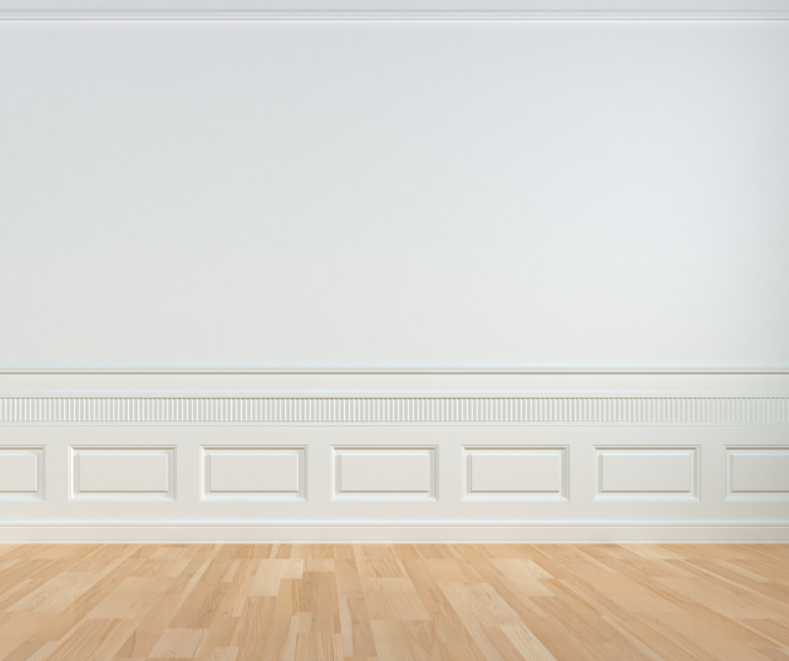
Lighting changes everything.
Natural light shifts throughout the day, and the direction your windows face can influence how a color appears.
North-facing rooms often receive cooler, more indirect light, which can make certain whites feel colder. South-facing rooms tend to receive warmer light, which can bring out yellow or creamy undertones.
Don’t you even forget about the artificial lighting!
The bulbs you use can make the same white paint look completely different at night.
My advice? Never choose a white based on a tiny paint chip under fluorescent store lighting. Your living room is not a hardware store.
3. White Can Make the Wrong Finishes Look Even Worse
This is something people don't always consider. I’ve seen it, and I’ll see it again.
White walls don't automatically make everything else look better. In fact, the wrong white can make existing finishes stand out in all the wrong ways. Have warm oak floors? A stark, cool white might make them look more orange. Have creamy kitchen cabinets? A bright, blue-toned white on the walls might make your cabinets look dingy. Have a natural stone? The wrong white can compete with its undertones instead of complementing them. This is why I always encourage looking at the entire room before selecting a paint color.
Most think that the brightest white will make a room feel bigger, cleaner, and more open.
Sometimes it does.
Other times, it creates a space that feels harsh and flat.
A softer white can bring warmth and dimension into a room without making it feel dark. If you're working with architectural details, natural materials, or layered furnishings, an overly bright white can actually take away from those elements.
It's not about making everything white. It's about getting the color right so the whole room comes together.4. Stop Assuming Brighter Means Better
5. Test It Before You Commit
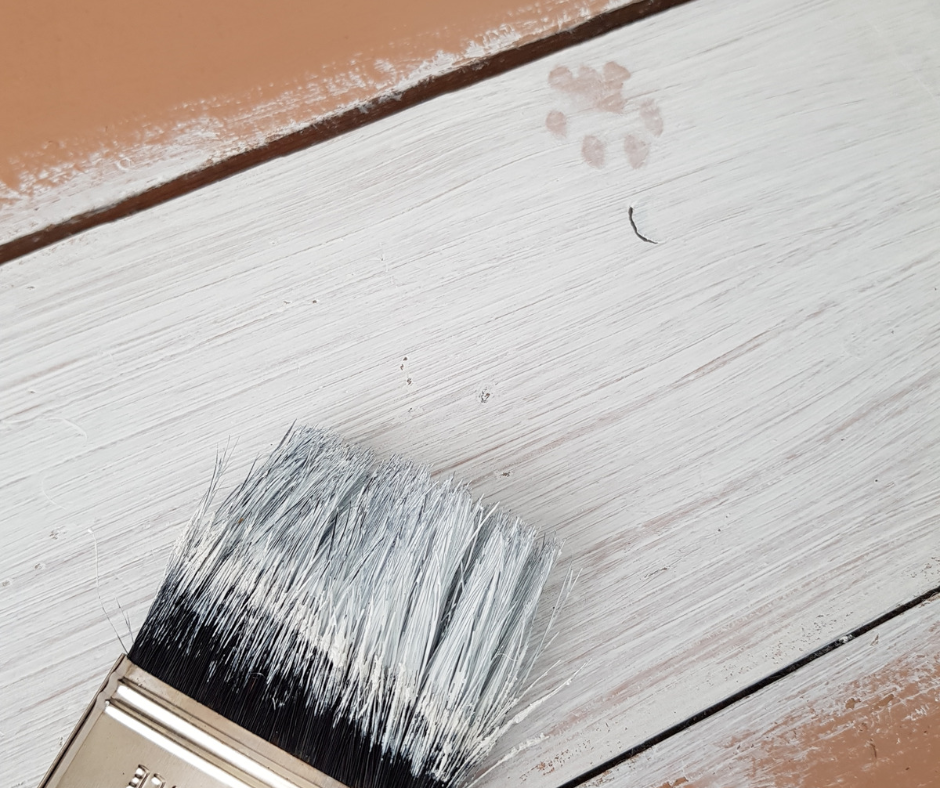
You're ready to paint. You've picked your color, bought the supplies, and mentally moved on to the next project.
But please, test the paint first. Get samples of your top choices and put them on larger sample boards. Move them around the room and look at them at different times of day. Pay attention to how they look next to your flooring, trim, countertops, and furniture. Don't just look at the sample by itself. Look at how it interacts with everything around it. And give yourself a couple of days before making the final decision.
A little patience here can save you!
So, Is White Still a Good Choice?
Absolutely.
White can be beautiful. It can also be the perfect backdrop for interesting furniture, artwork, architectural details, and natural materials.
The best white is the one that works with your home, your lighting, and the materials already in your space.
Every home has its own story, and sometimes it just needs a little direction.
If you're ready to make changes or have a design question of your own, I'd love to help!
Reach out anytime.
