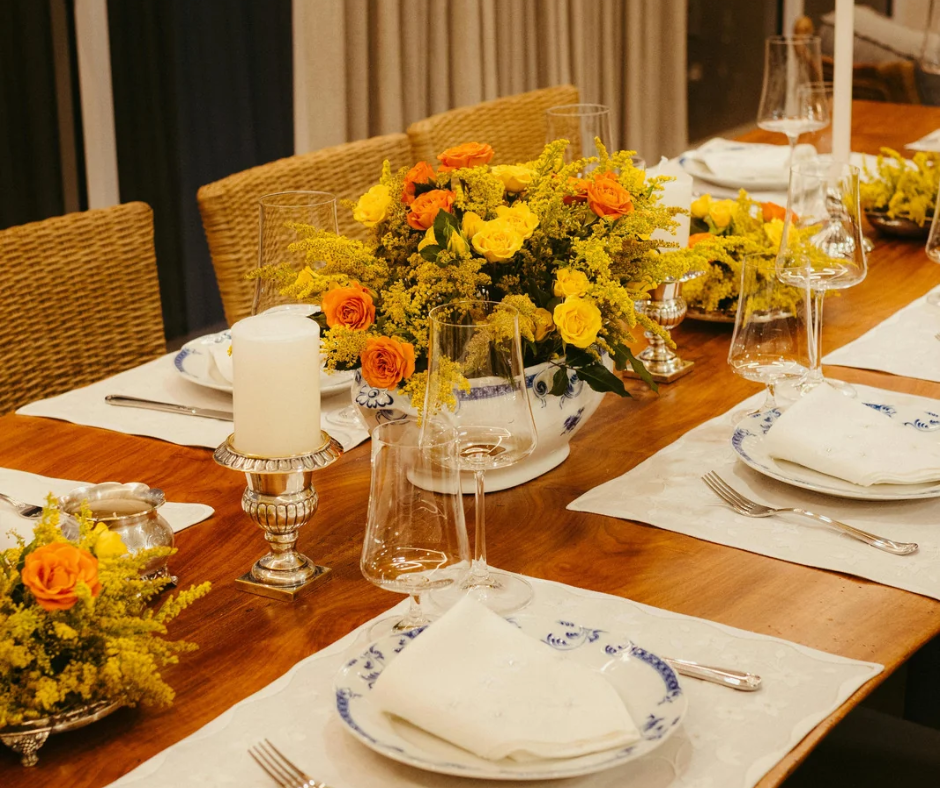
Every November, millions of us pull out the good silver, polish the heirlooms, and carefully line up forks, knives, and spoons beside our Thanksgiving plates before the crowd walks in. Most of us follow the rules by muscle memory: forks on the left, knives and spoons on the right, and everything used from the outside in. Right?
The best traditions are the ones whose stories we actually know. Have you ever wondered why the blade of your butter knife faces inward, or where this choreographed grid of silver came from?
Here is the fascinating history behind your Thanksgiving place setting and how to bring that heritage to your table this year!
1. Where It Came From: The Original Dinner Party Upgrade
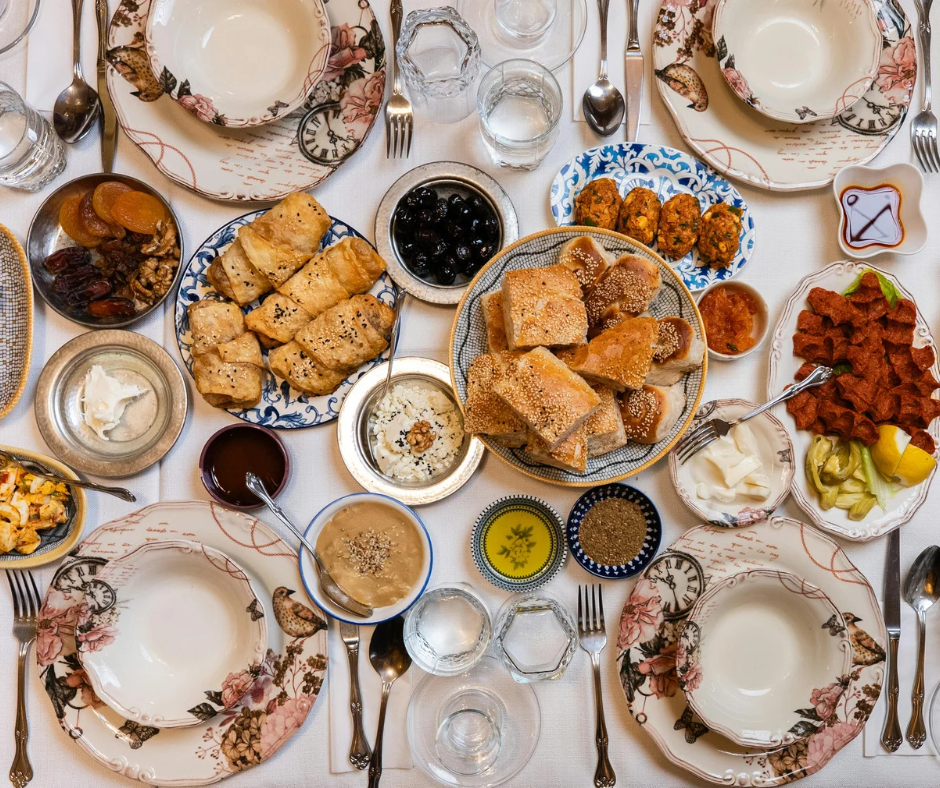
Before matching silverware sets and carefully planned place settings, formal meals looked different. In some earlier dining traditions, guests brought their own knives to the table. Then, in the nineteenth century, service à la russe, or Russian style dining, became popular. Instead of putting out all the dishes at once, courses arrived one at a time. Prince Alexander Kurakin is often credited with introducing the style in Paris around 1810, though its history is a little more complicated than one famous dinner.
The silverware was set in the order you would use it. Start with the pieces on the outside and work your way toward the plate. Once you know that, the whole setup makes a lot more sense!
2. Why Each Piece Goes Where It Does: The Table Has a Plan
The basic setup is pretty simple. Forks go on the left, while knives and spoons go on the right. The knife is placed where your right hand can reach it, and the fork sits on the left. Then you work from the outside in as each course arrives.
The knife blade faces the plate. I’ve heard that this was an old sign of peace and safety. It’s a good story.
The dessert fork or spoon goes above the plate. It’s the piece of silverware everyone is actually excited to use.
3. When Silverware Became a Thanksgiving Heirloom
Thanksgiving became a national holiday in 1863. By the Victorian era, silver and silver plated tableware had their moment! Families started collecting serving pieces for just about everything. Gravy got a ladle. Berries got a spoon. They were well prepared.
These pieces were used for family dinners and often passed down through generations. Heirloom silverware and serving pieces became part of many families’ holiday traditions.
4. How to Set the Table Today: Keep It Simple
You don’t need every utensil Grandma ever owned. For a simple Thanksgiving place setting:
Put the forks to the left of the plate. If you’re serving salad, place the salad fork on the outside.
Put the knife to the right, with the blade facing the plate.
Place the spoon to the right of the knife if you’ll need one.
Set a dessert fork or spoon above the plate if you’re serving pie.
That’s it. If soup isn’t on the menu, the soup spoon can stay in the drawer. No one needs extra silverware just for decoration.
5. How to Style It the Modern Heritage Way
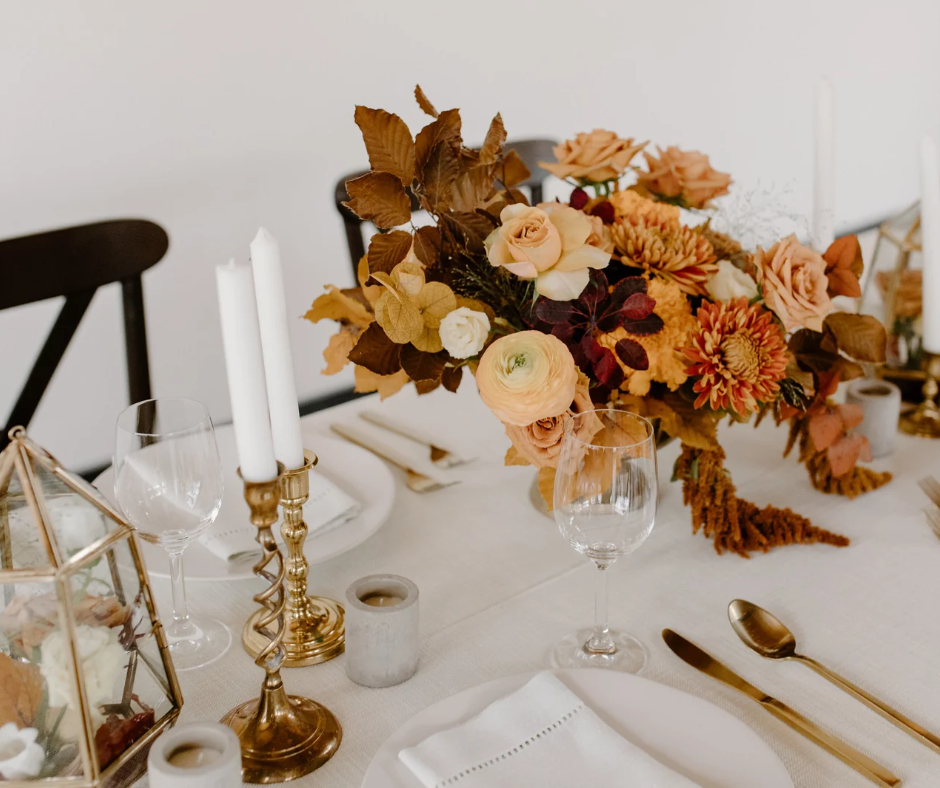
This is where you can mix the old with the new. Pair inherited or vintage silverware with simple stoneware plates, relaxed linen napkins, and warm wood or brass accents. A little tarnish adds character.
A Thanksgiving table can look pulled together and still feel relaxed. Use the pieces you love, keep it comfortable, and leave room for the rolls.
Every home has its own story, and sometimes it just needs a little direction.
If you’re ready to make changes or have a design question of your own, I’d love to help!
Reach out anytime.